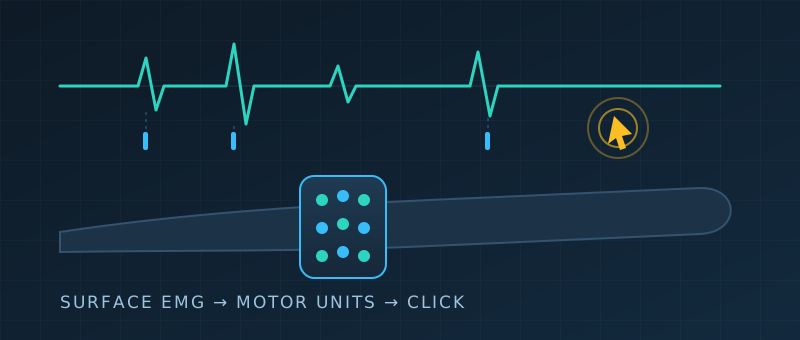
Wearable surface-EMG interfaces that turn residual motor-unit activity after cervical spinal cord injury into skilled computer interaction — leading CMU’s collaboration with Meta Reality Labs on the Meta Neural Band. Read more
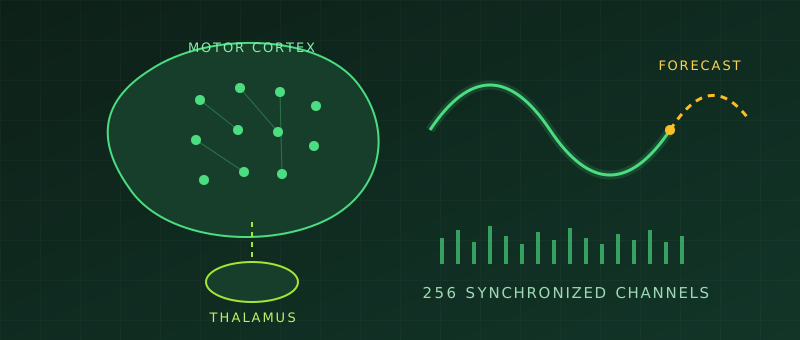
Awake, behaving non-human primate systems built at CMU: up to 256 synchronized channels across motor cortex and thalamus, high-density EMG, and stimulation interfaces for dissecting sensorimotor circuits. Read more
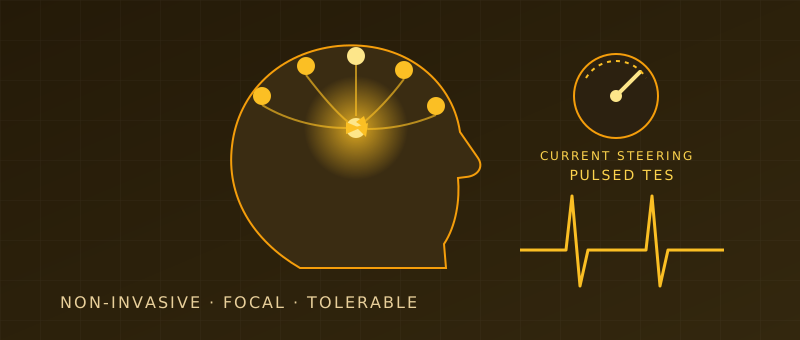
Multi-channel pulsed transcranial electrical stimulation with electronic current steering — focusing non-invasive stimulation on cortical targets while keeping it tolerable (DARPA N3). Read more
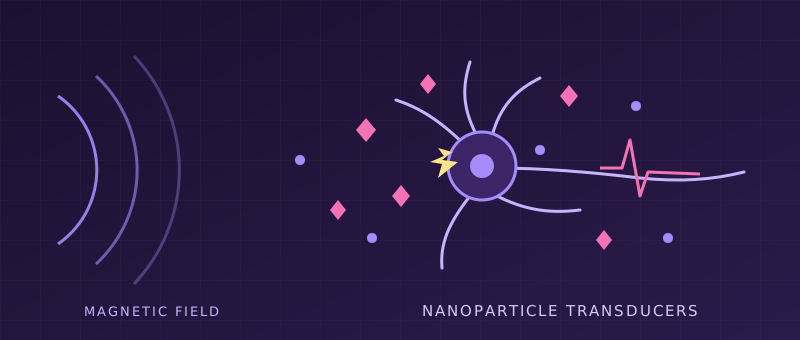
Wireless neural interfaces based on magnetoelectric nanoparticles — and the careful experiments needed to tell real evoked responses from stimulation artifacts (DARPA N3). Read more
We recorded extracellular field potentials from microwire arrays embedded in the contralateral rostral forelimb area (RFA) and the ipsilateral caudal forelimb area (CFA) with respect to the preferred forelimb used during pellet retrievals by rats. A subset of rats received a focal vasoconstrictive ischemia in CFA contralateral to the preferred reaching forelimb, which led to clear motor deficits on this task. Read more







 Read more